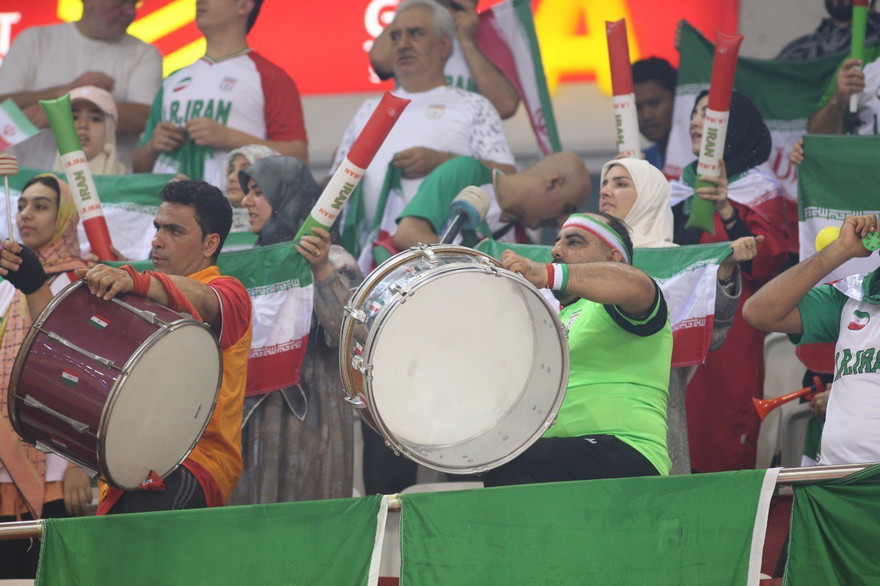
In an era when football news is largely shaped by red cards, sideline disputes, hairstyles and luxury cars, there are moments that quietly restore faith in the sport’s deeper meaning. Acts that shine like a light in the darkness and remind us that football, beyond trophies and results, can still be a force for good.
Ali Nemati, defender of the Iran national team and Foolad Khuzestan, recently helped secure the release of eight prisoners incarcerated for unintentional financial offenses. It is an act that will never appear in league tables or assist statistics, yet it resonates far more deeply with families reunited and lives restored. And it is not the first time football has stepped beyond the pitch.
From Arash Ghaderi of Zob Ahan and Amir Nouri, captain of Aluminium Arak, to their teammates and friends, to the iconic Ali Daei, and even members of Iran’s national team who donated part of their 2018 World Cup bonuses to free more than 100 financially distressed prisoners along with supporters such as those of Nassaji Mazandaran many have shown that football is more than 90 minutes of running for victory or lifting a cup. Football can give life, bring broken families back together and help rebuild futures.
These gestures matter precisely because they come from visible figures people who are role models, whether they seek that status or not. Influence carries responsibility, and when it is used to ease suffering, its impact multiplies.
The media, too, bears responsibility. Just as it highlights conflict and controversy, it must also amplify these moments of compassion. Championships fade quickly, but kindness endures. Players come and go, but the image of a hand that loosens a knot in someone’s life remains etched in public memory and, undoubtedly, finds greater favor with the Almighty.